

Meet the Makers: Ana & Francis Tejedores
Handwoven textiles from the Sierra de Segura
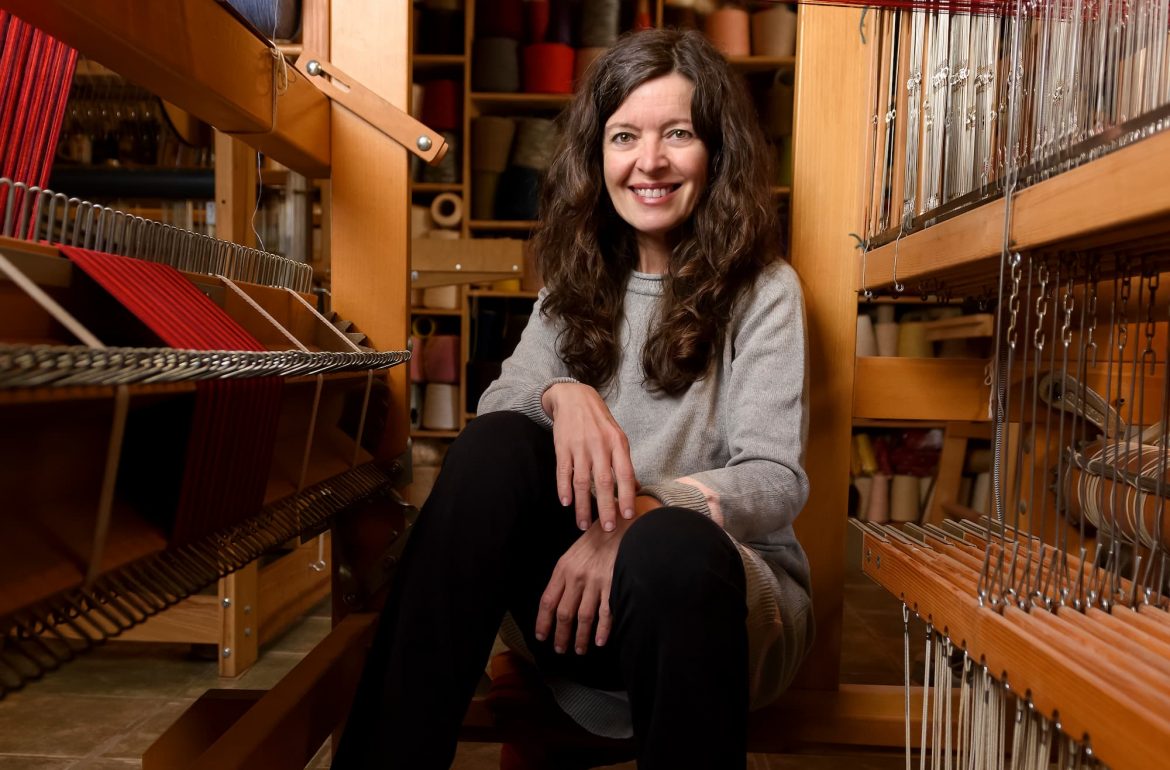
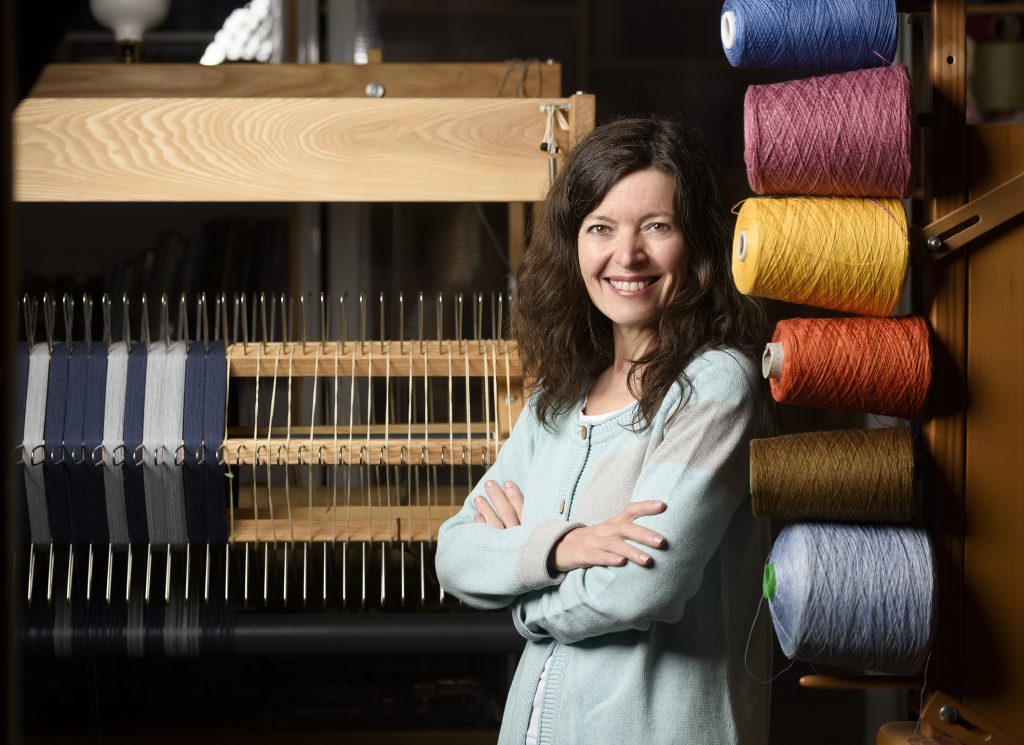
In the mountains of the Sierra de Segura in southern Spain, Ana and Francis run their textile atelier Ana & Francis Tejedores, where hand weaving is both a craft practice and a way of life.
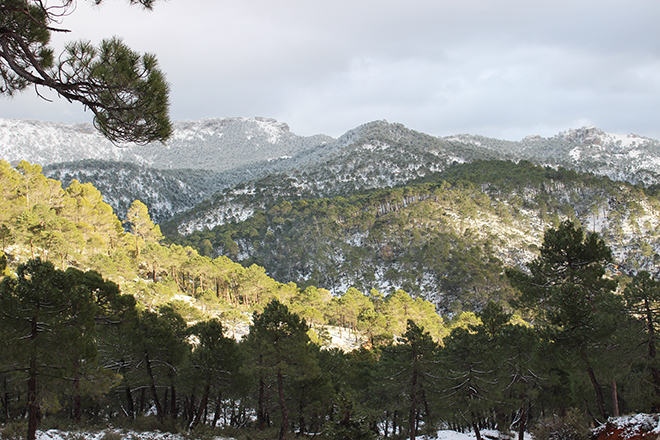
Their workshop is located in El Pilarillo, a restored forest house set within the Natural Park of Cazorla, Segura y Las Villas. Surrounded by forests, mountains and historic paths, the landscape shapes not only their inspiration but also the rhythm of their work.
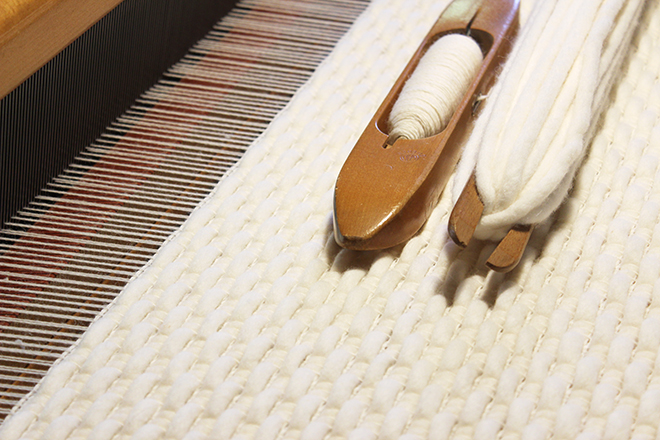
Here, each textile is created on wooden looms operated entirely by hand and foot, allowing them to control every stage of the process. This slow and deliberate way of working makes it possible to develop textures, structures and densities that cannot be achieved through industrial production.
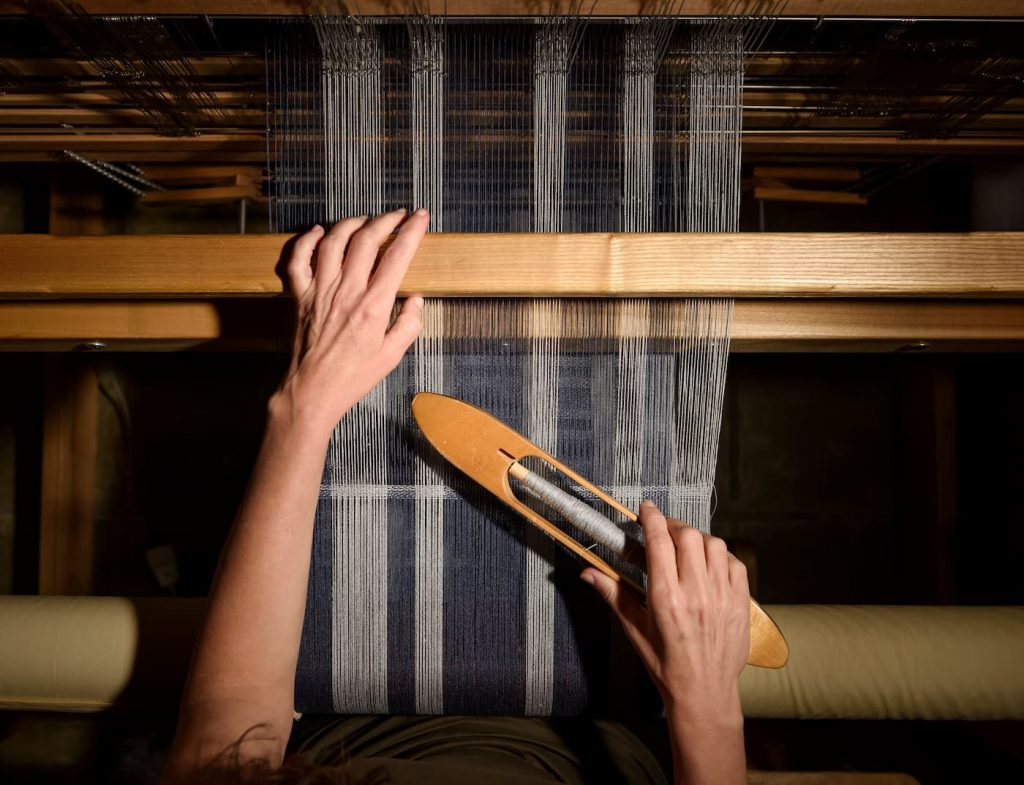
The project began in 2007, when Ana Santiago decided to rethink her professional path. After many years working in administration, she felt the need to explore a different direction and began learning the craft of weaving. What started as a personal search gradually evolved into a professional practice grounded in study, experimentation and a growing fascination with textile structures and natural fibres.
Francis soon joined the project, bringing with him a deep sensitivity to landscape, colour and material. Together they built an atelier where craftsmanship, creativity and daily life are closely intertwined.
Meeting the makers
Before continuing, you can hear Ana herself talking about their work, the fibres they use and the process of weaving in their atelier in the Sierra de Segura.
https://www.youtube.com/watch?v=r37_zNWawek
Video courtesy of Ana & Francis Tejedores.
A workshop rooted in landscape
El Pilarillo itself dates back to the early twentieth century. Restored by Ana and Francis, it now serves both as their home and as the place where their textiles are designed and woven.
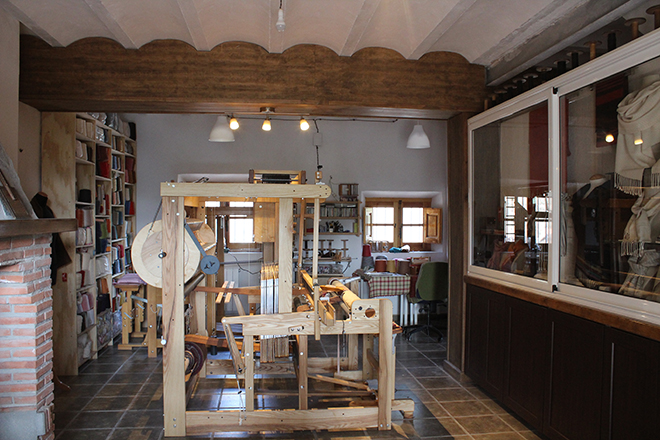
Living and working in this environment has profoundly shaped their practice. The colours of the surrounding mountains, the changing light of the seasons and the textures of the natural landscape often find their way into their textiles.
This connection with place reflects a broader philosophy that the makers themselves describe as:
“Nature inspires our work, sustainability guides it, and our hands bring each textile to life.”
Working slowly, choosing natural materials and creating pieces designed to accompany everyday life over time are central to their approach.
Handwoven textiles and natural fibres
The work of Ana & Francis Tejedores is built around a deep knowledge of handwoven textile techniques and natural fibres.
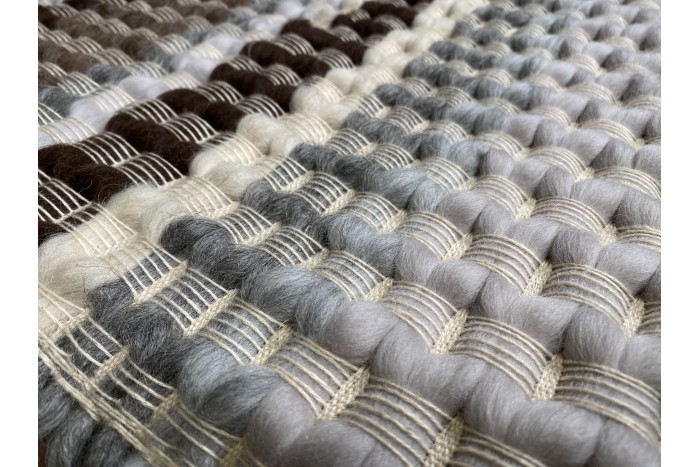
Cotton, linen, wool, alpaca and silk are combined in different ways to create textiles with depth, texture and durability. Each fibre behaves differently on the loom, opening up possibilities to experiment with structure, density and colour.
Every piece is woven individually, resulting in subtle variations that form part of its unique identity. This approach places their work within the tradition of contemporary handwoven textiles, where craftsmanship and design meet.
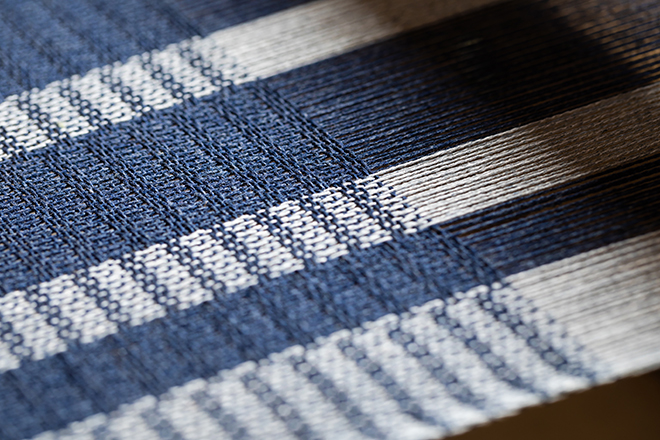
Over the years their practice has developed along two complementary directions. On one hand, they create textiles intended for everyday use — scarves, shawls, blankets, cushions and interior pieces designed to be lived with and appreciated over time.
On the other, Ana Santiago has developed a series of textile artworks, where weaving becomes a language to explore ideas, memories and emotions through texture, structure and material.
In conversation with Ana & Francis
To better understand her relationship with weaving and materials, we asked Ana a few questions about her practice.
BELMA: Many people today are rediscovering handmade objects. What does hand weaving mean to you in today’s world?
ANA: For us weaving is a way of thinking. When you work on a loom you enter a rhythm that is very different from the pace of contemporary life. The textile grows slowly, thread by thread, and that process forces you to pay attention. In a way, weaving is also a form of reflection.
BELMA: Your textiles often show a strong sense of structure and texture. How does a piece begin?
ANA: Sometimes it begins with a fibre. Sometimes with a structure I want to explore on the loom. And sometimes with an idea or a feeling that I want to translate into textile language. The loom gives you many possibilities, but it also has its own logic. There is always a dialogue between the idea and what the material allows.
BELMA: Your work moves between functional textiles and textile art. How do you navigate that boundary?
ANA: I don’t really see it as a boundary. The techniques are the same and the loom is the same. What changes is the intention. When I create an artwork, I’m exploring ideas or emotions. When I design a textile for everyday use, I’m thinking about how it will accompany someone’s life. But in both cases the process is deeply connected.
BELMA: Your atelier is located in a very particular landscape in the Sierra de Segura. How does living and working in this environment influence the textiles you create?
ANA: Living here changes the way you look at colour and texture. The mountains, the forests and the changing light of the seasons are always present. Sometimes a combination of colours in a textile comes directly from something I have seen while walking in the landscape. The environment becomes part of the work without you even realising it.
BELMA: What continues to fascinate you about weaving after so many years?
ANA: The fact that it never ends. The loom is an ancient tool, but every time you change fibres, structures or densities, something new happens. You can spend a lifetime weaving and still feel that there is more to discover.
Contemporary Spanish craft at Belma
At Belma Craft & Art, we work with artists and master artisans whose practices combine deep material knowledge, technical excellence and a distinct contemporary language.
The work of Ana & Francis Tejedores reflects this balance beautifully, bringing together heritage weaving techniques, natural materials and a strong connection to place.
Through their textiles — whether created for interiors, personal style or artistic expression — they show how contemporary Spanish craftsmanship continues to evolve while deeply rooted in tradition.
Discover Spanish craftsmanship with Belma
If you are an interior designer, concept store or gallery looking for distinctive handcrafted pieces for interiors or curated spaces, feel free to reach out — I would love to hear from you.
At Belma, we believe in surrounding ourselves with beauty, in sharing the stories behind each piece and in making Spanish craftsmanship part of everyday life in the Netherlands.

